Most site owners need a 2,500-word pillar page every month yet still finish only one because research and outlines eat the calendar. The gap widens when teams try to scale across multiple topics without hiring more writers.
By the end of this article you will know the exact capabilities to check in any AI writer, see how Autoblogging.ai compares on SERP optimization and bulk publishing, and have a shortlist that includes ChatGPT, Jasper, and River plus a clear recommendation for pillar-page work.
What to Look For in an AI Article Writer for Pillar Pages
Pillar pages require an AI article writer that maintains semantic depth across 2000+ words while clustering related keywords into topic clusters. Long-form content needs structure that covers primary topics and subtopics without losing reader engagement or search intent.
Selecting the right tool means focusing on five concrete criteria that separate surface-level generators from production-ready platforms. These standards help content teams build pillar pages that rank and convert over time.
Content length capability stands as the first evaluation point. The tool must generate at least 2500 words while preserving semantic flow and on-page SEO elements throughout the full piece. You can also explore All-in-One SEO Software Options and Recommendations for a closer comparison.
Shorter outputs fail to establish topical authority. Longer, structured articles perform better in search because they address multiple angles within a single comprehensive guide.
Keyword clustering support comes next on the checklist. Effective AI article writers extract LSI terms and related keywords directly from the top 10 search results to build complete topic coverage.
This process turns raw keyword lists into organized content clusters. Writers gain outlines that include primary terms, secondary phrases, and semantic variations without manual research.
CMS integration determines how quickly content moves from draft to published state. Direct connections with WordPress and other major platforms eliminate copy-paste workflows and formatting issues.
Teams save hours when articles publish automatically with headings, images, and meta data intact. Manual transfers often break formatting and require extra cleanup steps.
Credit allocation affects monthly output volume. The system needs to support production of at least 10 full pillar pages without running out of credits mid-month.
Low credit limits force teams to ration usage and delay content schedules. Consistent publishing requires a generous allowance that matches actual production needs.
Multilingual capability opens opportunities in international markets. Quality tools handle 30 or more languages while maintaining SEO optimization across different regions.
Businesses expanding globally need content that ranks in multiple languages without quality drops. Single-language tools limit growth into new territories.
Effective pillar page structures follow a clear pattern. The H2 introduces the core topic and states the main promise to the reader.
Subsequent H3 sections break the subject into logical segments such as definitions, comparisons, step-by-step processes, and common pitfalls. Each section targets a specific cluster keyword.
Lists appear inside relevant sections to improve scannability. Tables compare options when the pillar page covers alternatives or features.
Internal links point to cluster content that expands on narrow subtopics. External links reference authoritative sources to build trust signals.
Conclusion sections summarize key takeaways and restate the original search intent answer. This structure keeps readers engaged while signaling completeness to search engines.
1. Autoblogging.ai - Best Overall
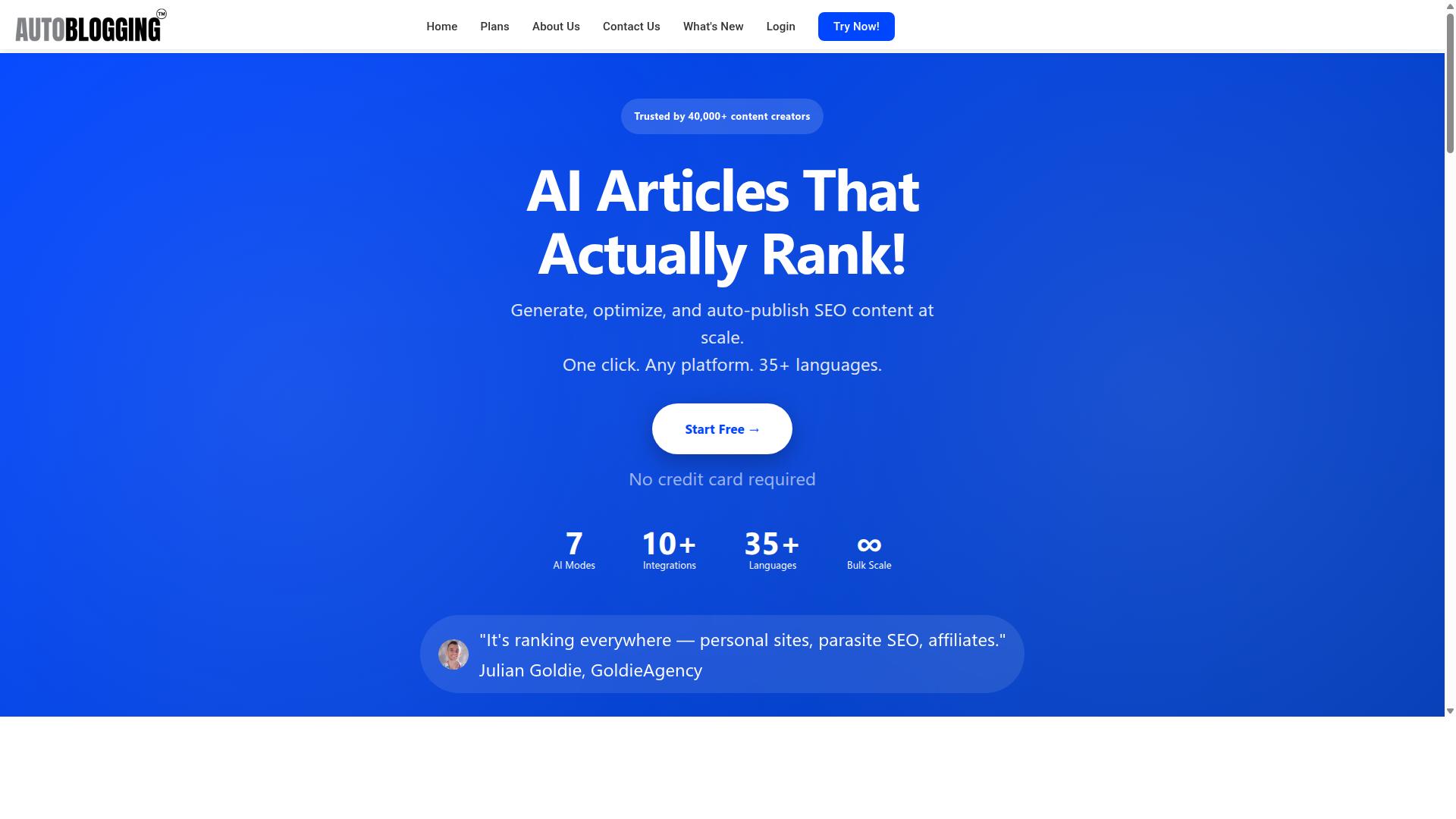
Autoblogging.ai ranks as the best overall AI article writer for pillar pages because its specialized modes directly address SERP analysis and bulk content needs. The platform serves bloggers, website owners, and agencies who want to save time while building their online presence.
Autoblogging.ai helps cut content costs by delivering first drafts that human teams can refine through established processes. This approach allows teams to focus on strategy and quality control rather than starting from scratch each time.
The tool supports content creation across multiple platforms including WordPress and various Web 2.0 sites. Users can generate pillar content that fits into broader topic clusters and content marketing strategies without manual formatting hassles.
Godlike Mode for SERP and LSI Optimization
Godlike Mode analyzes the top 10 ranking articles for any target keyword and extracts LSI terms plus knowledge graph entities. This process helps identify what competitors already cover and what gaps exist in current search results.
The workflow starts when users input their primary keyword. The system then scrapes competitor content to find missing subtopics along with relevant LSI keywords needed for complete pillar page coverage.
Autoblogging.ai includes 10+ AI modes and supports 35+ languages for global content needs. These capabilities make the platform suitable for teams working on semantic SEO projects and in-depth guides across different markets.
Bulk Generation and WordPress Publishing
Bulk Generation allows creation of up to 500 articles in a single batch with automatic WordPress publishing via API integration. Users upload a CSV file containing target keywords and select their pillar page template to start the process.
The platform connects with 35+ integrations across different publishing environments. These connections include Shopify, Wix, Webflow, Blogger, and Ghost along with Web 2.0 platforms like Medium and Dev.to.
Weekly feature updates keep the tool current with changing SEO requirements. The combination of bulk capabilities and direct publishing options positions Autoblogging.ai as a practical choice for teams managing large content strategies.
2. ChatGPT
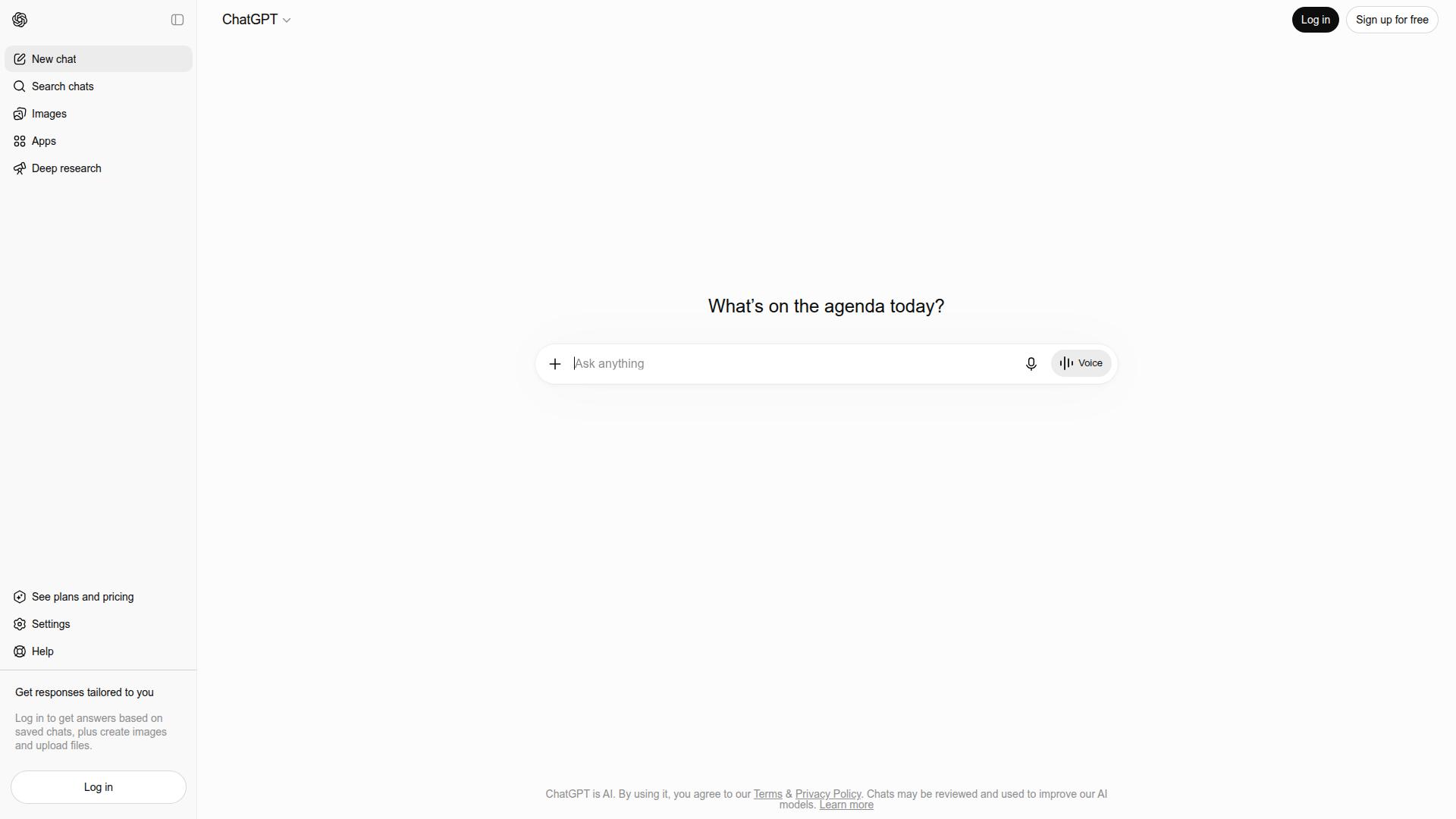
ChatGPT generates pillar content through conversational prompts but requires manual SERP analysis and lacks native bulk publishing features. Users type detailed instructions to create long-form articles on specific topics. The tool produces readable drafts that writers must refine further.
People use ChatGPT for various stages of content creation. The platform helps develop outlines, draft sections, and rewrite paragraphs based on user feedback. Writers paste research notes into the chat window and ask for organized summaries.
ChatGPT offers strong general-purpose writing support. The system handles different tones and formats when given clear directions. Content creators often copy text from ChatGPT into separate documents for editing.
Direct WordPress integration is not available with ChatGPT. Users must export generated text through copy and paste actions. This manual process adds extra steps when publishing to websites.
Credit-based bulk processing presents another limitation for high-volume work. Each generation consumes tokens that users must purchase or manage carefully. Teams handling multiple pillar pages find this system inefficient for ongoing content production.
Research suggests ChatGPT works best when paired with dedicated SEO tools. The platform excels at raw text generation but needs external support for keyword research and optimization. Writers combine ChatGPT output with other systems to achieve better search performance.
3. Jasper

Jasper provides template-based AI writing suitable for shorter marketing copy but requires multiple workflows for comprehensive pillar page development. The system emphasizes brand voice consistency and editorial guidelines to reduce generic outputs.
Users can select from pre-built templates that address common formats such as blog posts or product descriptions. This approach works well when the content stays within established structures.
Content generation in Jasper focuses on aligning text with specific tone requirements and audience segments. Teams often combine several templates to build longer material like pillar pages.
Research suggests that semantic optimization benefits from consistent voice application across multiple sections. Jasper supports this by allowing style references that influence each new generation.
The platform handles multi-intent targeting by incorporating user-defined parameters during the writing process. This helps maintain focus when addressing related subtopics within a single pillar content piece.
Long-form content creation typically involves iterative refinement rather than single-pass generation. Writers adjust outputs section by section to match SEO requirements and content clusters.
4. River

River offers AI writing capabilities with focus on specific use cases but has limited documented support for large-scale pillar content clusters.
This tool provides a free AI pillar page writer that generates complete long-form guides. Users input their core pillar keyword and the system produces content covering related subtopics and FAQs.
Many AI article writers handle keyword clustering and content outline generation. River creates documents with hierarchical headings that support topic clusters and internal linking structures.
Content creation for pillar pages requires more than basic generation. Writers need tools that understand semantic SEO and produce in-depth guides suitable for establishing topical authority.
Best AI writers in this category often combine natural language generation with structured formatting. The output typically includes opportunities for further content optimization around target keywords.
SEO professionals building cornerstone content benefit from tools that address multiple aspects of the writing process. River targets this workflow but documentation shows narrower scope compared to dedicated content marketing platforms.
How to Choose the Right Option
Selecting the right AI article writer depends on your monthly article volume, need for SERP integration, and publishing workflow requirements.
Start by calculating your content needs. Bloggers and website owners typically produce 10 to 50 articles each month. This range helps determine which pricing tier fits your goals and keeps costs under control.
Next, check WordPress integration requirements. Many creators publish directly from their chosen platform to streamline their workflow. Confirm that your selected tool connects with your current setup before committing.
Assess multilingual needs based on your audience. Some projects target multiple regions and require content in different languages. Verify this capability early to avoid workflow disruptions later.
Compare pricing tiers ranging from $19 to $999 monthly against your budget. SEO professionals and marketing agencies often need higher tiers for client work and larger volumes.
Autoblogging.ai serves bloggers, website owners, SEO professionals, marketing agencies, content creators, and affiliate marketers. The platform supports personal sites, affiliate sites, client websites, portfolio sites, and local sites. This broad reach makes it suitable for various use cases across the content spectrum. You can also explore SEO for Local Businesses in Woodstock for a closer comparison.
Consider whether your content strategy requires topic clusters and cornerstone content. AI article writers that handle long-form content work best for pillar pages and in-depth guides. Match the tool features to your specific content goals.
Review how each platform handles semantic SEO and on-page optimization. The best AI writers support keyword clustering and topic research to strengthen your overall approach. These capabilities matter when building content clusters that rank well.
Evaluate the content generation quality across different use cases. Marketing agencies need consistent output for multiple clients while individual creators focus on their niche topics. Match tool strengths to your primary workflow demands.
Final Verdict
Autoblogging.ai delivers the most complete pillar page solution through its combination of SERP analysis, bulk generation, and direct publishing capabilities.
The platform stands out with 1M+ articles generated and a 4.9 average rating from 40,000+ users. These numbers reflect consistent performance across different content strategies and business sizes.
Users gain access to 10+ AI modes and 35+ integrations that connect with existing publishing workflows. Credits rollover each month, which prevents waste on unused resources.
Teams receive 24/7 support along with a human proofreader included in all plans. This combination reduces the typical back-and-forth between drafting and editing stages.
The system includes SERP competitor analysis, semantic SEO tools, and a 21-point SEO audit. These features help align pillar pages with current ranking requirements.
Businesses looking to implement these capabilities can reach out through the contact channels listed on the Autoblogging.ai website. Direct assistance ensures proper setup for specific content goals.
Frequently Asked Questions
What are the top recommendations in the 6 Best AI Article Writers for Pillar Pages?
The 6 Best AI Article Writers for Pillar Pages include specialized tools designed to produce long-form, authoritative content that anchors topic clusters effectively.
How can the 6 Best AI Article Writers for Pillar Pages enhance my SEO strategy?
By generating comprehensive pillar pages, the 6 Best AI Article Writers for Pillar Pages help build topical authority while naturally incorporating target keywords and internal links.
Are the 6 Best AI Article Writers for Pillar Pages suitable for beginners?
Yes, most options featured in the 6 Best AI Article Writers for Pillar Pages provide intuitive templates and guided workflows for creating in-depth pillar content without advanced skills.
What features should I look for in the 6 Best AI Article Writers for Pillar Pages?
Ideal tools from the 6 Best AI Article Writers for Pillar Pages offer long-form generation, SEO optimization, outline assistance, and easy editing to ensure pillar pages are thorough and engaging.
Can I customize output from the 6 Best AI Article Writers for Pillar Pages?
Absolutely, these platforms allow adjustments to tone, structure, and keyword focus so the resulting pillar pages align perfectly with your brand voice and goals.
Why trust the 6 Best AI Article Writers for Pillar Pages list for my content needs?
This selection highlights tools proven to deliver high-quality, research-backed pillar pages that support sustainable content strategies and improved search visibility.
Recommended Resources: